
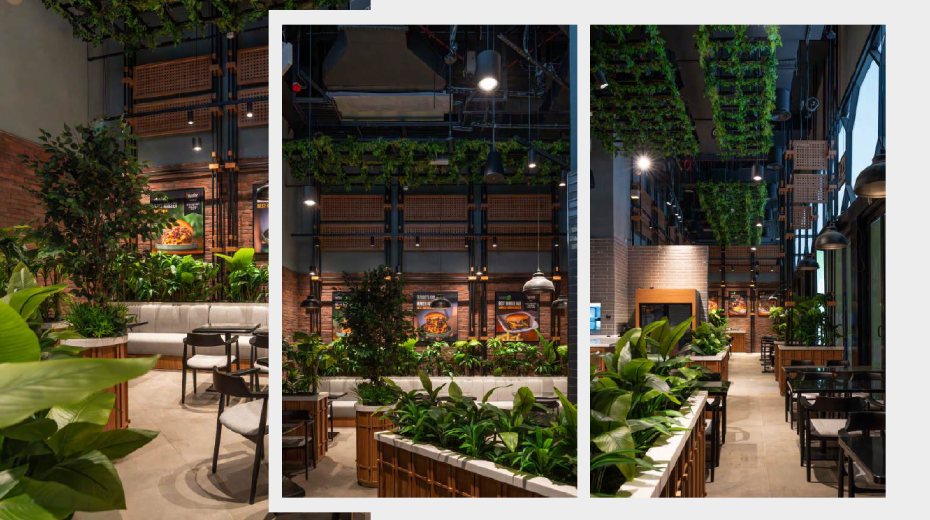
 While living walls and office plants have become commonplace, forward-thinking fit out designs are incorporating passive biophilic elements—natural materials, textures, and patterns that mimic nature’s geometry. Reclaimed wood flooring with visible grain patterns, acoustic panels inspired by leaf structures, and lighting systems that mimic natural daylight cycles are becoming essential components rather than decorative afterthoughts.
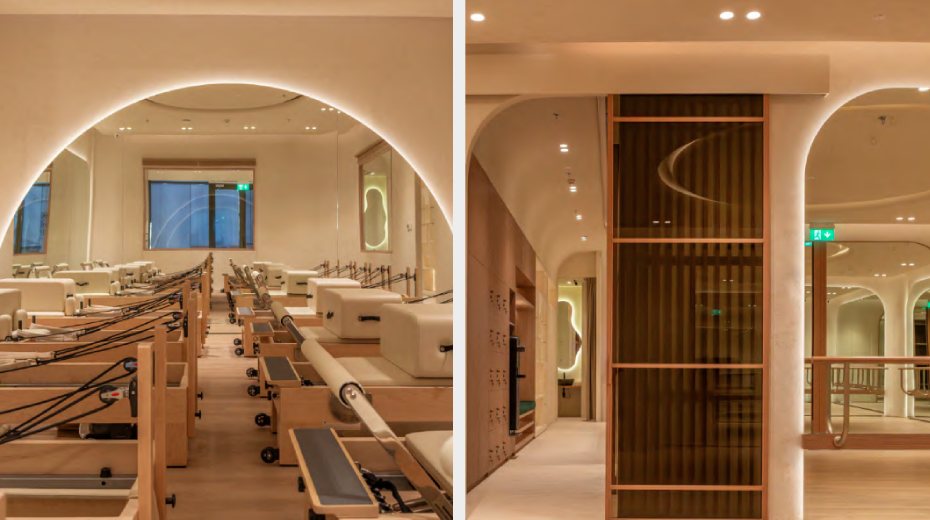 The most progressive fit out specialists are embracing true circularity by designing spaces with their eventual deconstruction in mind. This means selecting materials and fixtures that can be easily disassembled and reused without downgrading their quality—a step beyond traditional recycling. Modular wall systems with mechanical fasteners instead of adhesives and furniture designed for multiple configurations extend the lifespan of materials significantly.
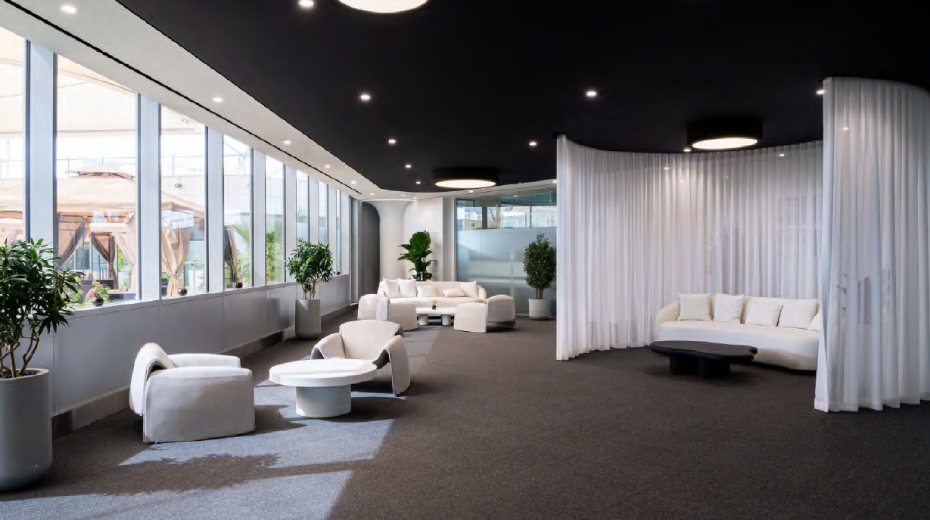 Surpassing carbon neutrality, top companies are focusing on materials that effectively capture carbon. Innovative products like mycelium-based insulation, algae-derived textiles, and hemp-lime composites are not just sustainable alternatives—they’re regenerative building blocks that improve a space’s carbon footprint throughout its lifecycle.
 The age of overt technology is transitioning to ambient computing—where technology becomes integrated into the very structure. Surfaces that double as charging stations, walls with embedded sound systems, and flooring that harvests kinetic energy from footsteps represent the new frontier of smart workspace design.
 AI-powered spatial analytics have evolved beyond simple occupancy counting. Today’s systems can detect patterns in how spaces foster collaboration, identify environmental factors that impact productivity, and even suggest real-time reconfiguration of flexible areas based on current needs.
 Environmental quality monitoring has expanded to include circadian-friendly lighting systems that automatically adjust throughout the day, acoustic management solutions that create dynamic sound landscapes based on activities, and air purification systems that respond to real-time air quality data—all working in tandem to optimize occupant health.
 The most forward-looking fit out designs feature raised access flooring and modular ceiling grids that allow for rapid reconfiguration of power, data, and mechanical systems. This infrastructure creates true flexibility, enabling spaces to transform from private offices to collaborative areas—or even switch functions entirely—with minimal disruption.
 The pendulum is swinging away from mass-produced corporate environments toward spaces featuring custom, artisanal elements. Hand-crafted lighting fixtures, bespoke joinery, and limited-edition furniture pieces bring a sense of authenticity and uniqueness to workspaces, creating environments that tell a story.
 Forward-thinking businesses are recognizing the importance of creating environments that accommodate neurodivergent individuals. This includes incorporating sensory retreat spaces, providing multiple environmental settings with different stimulation levels, and implementing wayfinding systems that reduce cognitive load—making workplaces truly inclusive.
 The most successful fit out projects in 2025 share a common characteristic—they’re designed as integrated systems rather than collections of separate elements. By taking a holistic approach that considers sustainability, technology, flexibility, and aesthetics together, businesses can create environments that don’t just accommodate work but actively enhance it.
As you consider your next project, look beyond immediate needs to envision how your space can evolve. The most valuable fit outs aren’t those that perfectly meet today’s requirements but those that can adapt to tomorrow’s challenges while maintaining their core identity and purpose.
Whether you’re planning a complete overhaul or strategic updates to your existing space, these trends provide a roadmap for creating environments that will remain relevant and effective for years to come. The future of fit out design isn’t just about following trends—it’s about creating spaces that embody your organization’s values, support your people, and adapt to whatever the future may bring.
What emerging fit out design trends can you fit in your industry? Explore now!
The most successful fit out projects in 2025 share a common characteristic—they’re designed as integrated systems rather than collections of separate elements. By taking a holistic approach that considers sustainability, technology, flexibility, and aesthetics together, businesses can create environments that don’t just accommodate work but actively enhance it.
As you consider your next project, look beyond immediate needs to envision how your space can evolve. The most valuable fit outs aren’t those that perfectly meet today’s requirements but those that can adapt to tomorrow’s challenges while maintaining their core identity and purpose.
Whether you’re planning a complete overhaul or strategic updates to your existing space, these trends provide a roadmap for creating environments that will remain relevant and effective for years to come. The future of fit out design isn’t just about following trends—it’s about creating spaces that embody your organization’s values, support your people, and adapt to whatever the future may bring.
What emerging fit out design trends can you fit in your industry? Explore now!