
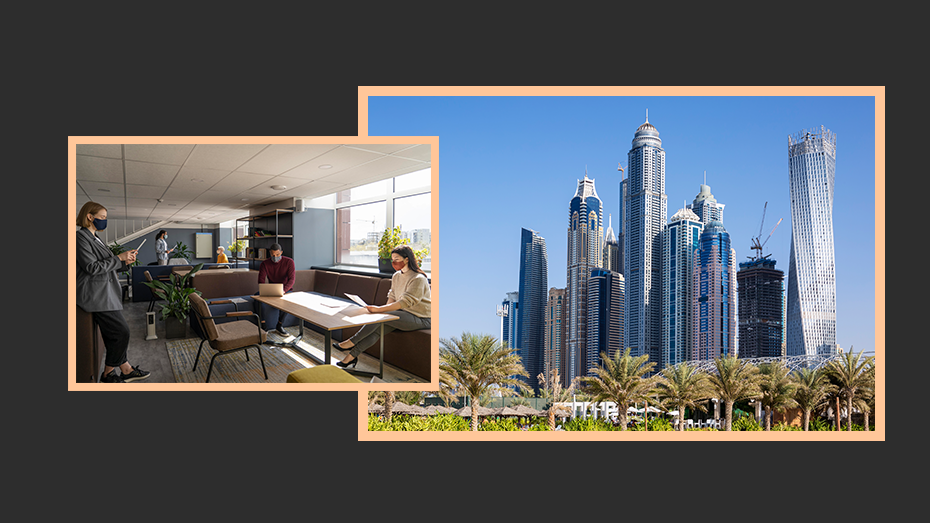
Cost of Fit Out: A Comprehensive Breakdown

The cost of fit out services varies based on factors such as the: size of the project. design complexity, choice of materials, regulatory requirements, location.The financial budgeting is crucial be it for your home, villa, office, retail space, or hospitality venue.
If you do not understand the cost factors, even the most loved and exciting projects can quickly become overwhelming burdens on your budget.

Here we will deep dive into the the key elements that determine fit out costs. It will assist you in making improved choices that align with your aspirations and financial situation.

There are several key factors that influence fit out costs, but before you dive in,
it’s worth reframing how you think about fit out projects. Do not take them as only drying out your
pockets, but consider them as long term investments. Investments in functionality, aesthetic value,
and potential property worth. Quality fit outs bring you enhanced experiences, improved workflow,
and even long term increased property valuation.

Key Factors Influencing Fit-Out Costs

1. Project Size and Scope

  • Area per square foot: Bigger spaces naturally need additional materials and workforce
  • Design complexity: Intricate layouts and custom features add to costs
  • Structural modifications: Any changes to load-bearing elements significantly impact expenses
  • Timeline constraints: Rush jobs or after-hours work typically command premium rates
 

fit out project size cost


2. Materials and Finishes

  • Standard materials: Basic carpeting, laminate surfaces, standard paint finishes
  • Mid-range options: Engineered wood, quality tiles, architectural lighting
  • Premium selections: Natural stone, solid hardwoods, custom joinery, specialist finishes,
    premium lighting fixtures

Balancing aesthetics affecting the overall experience of the space, durability, and budget is
key.

3. Labor Expertise

  • General construction work: Basic framing, drywalling, and finishing
  • Technical installations: Electrical systems, plumbing, HVAC, and technology infrastructure
  • Specialized craftsmanship: Custom cabinetry, bespoke joinery, decorative finishes
  • Project management: Coordination of different trades and timeline management

Projects requiring specialized skills—such as heritage restoration, complex lighting designs, or
custom millwork—will require craftspeople with specific expertise, enhancing the total budget of
the project.

4. Regulatory Requirements

  • Building permits and inspections: Fees and potential design modifications
  • Health and safety compliance: Particularly important in commercial and hospitality projects
  • Accessibility standards: Ensuring spaces meet required accessibility guidelines
  • Sustainability certifications: If pursuing green building standards

These requirements vary substantially by location and property type. Failing to account for them
can lead to costly redesigns or delays.

5. Location

  • Local labor rates: Varying significantly between urban centers and rural areas
  • Material availability: Transportation costs for non-local materials
  • Regional building codes: Different requirements affecting design and materials
  • Market conditions: Local demand for construction services affecting pricing

Urban centers may present different challenges than coastal or rural locations, each with unique
considerations.

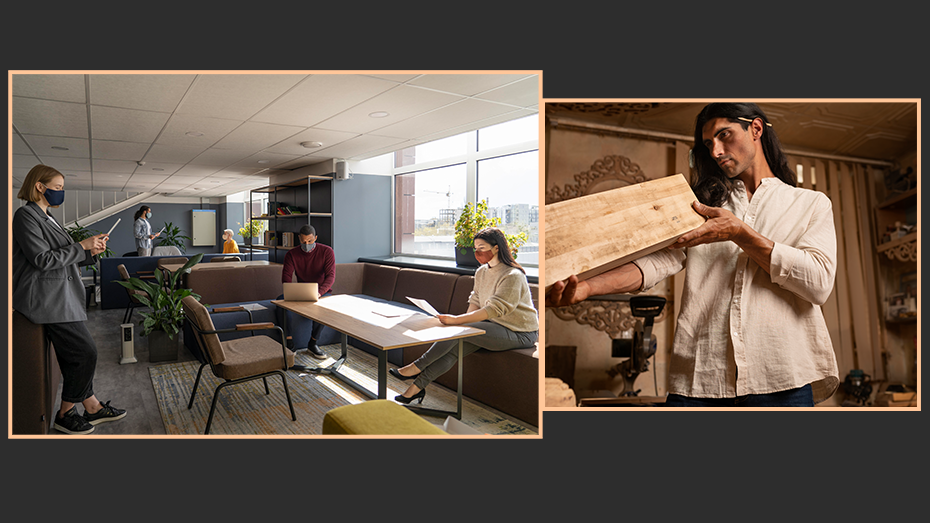
Fit Cost Variations Across Sectors

fit out residential cost

Cost of Residential Fit outs

  • Kitchen renovations: Typically the most expensive residential space per square foot
  • Bathroom upgrades: High costs due to plumbing and specialized waterproofing requirements
  • Living areas: Variable costs depending on flooring selections and built-in features
  • Custom storage solutions: Pricing based on materials and complexity
Residential projects often allow for phased approaches, helping distribute costs over time.

Cost of Commercial Fit outs

  • Open-plan workspaces: Lower cost per square foot but requiring careful acoustic planning
  • Conference facilities: Technology integration often driving costs
  • Reception areas: Higher investment for client-facing spaces
  • Staff amenities: Break rooms, wellness spaces, and collaborative zones
Commercial projects must balance immediate aesthetics with long-term functionality and adaptability.

Cost of Hospitality Fit outs

  • Guest rooms/dining areas: High-traffic durability requirements affecting material choices
  • Public spaces: Statement design elements often commanding premium prices
  • Kitchen facilities: Commercial-grade equipment and compliance requirements
  • Specialty features: From spa facilities to entertainment systems

Cost of Retail Fit outs

  • Storefront and display areas: High-impact visual elements
  • Lighting design: Critical for product presentation
  • Flexible fixtures: Adaptability for changing merchandise
  • Brand expression: Custom elements that reinforce brand identity
Retail areas need to find a balance between striking visual appeal and practical factors such as durability and adaptability for merchandising.

Tips for Budgeting Effectively

tips for budget friendly fit out projects
  1. Plan Thoroughly: A detailed design and scope of work can prevent costly changes mid-project.
  2. Prioritize Needs Over Wants: Focus on essential elements first, then allocate remaining funds to upgrades if possible.
  3. Gather Quotes: Get price estimates from various contractors to guarantee competitive rates.
  4. Factor in Contingencies: Set aside a buffer for unexpected expenses, typically around 15-20% of the total budget.
When transforming any space, understanding the factors that influence fit out costs is essential for effective planning and budgeting. Whether you’re reimagining a cozy apartment, designing a sophisticated hotel interior, or creating an engaging retail environment, various elements will shape your investment in the project.

Conclusion

the cost of fit out summary Understanding fit out considerations requires evaluating multiple variables, from physical dimensions to material choices to regulatory requirements. By approaching your project with informed expectations and a clear understanding of the factors that influence outcomes, you can make decisions that balance immediate goals with long-term potential property value appreciation. Every successful fit out begins with thorough planning and expert guidance. The specialists at Designsmith understand the nuances of creating exceptional spaces across residential, hospitality, commercial, and retail sectors. This article provides general guidance based on industry factors as of publication. For specific project assessment, we recommend consulting directly with Designsmith’s fit out specialists who can provide insights tailored to your unique requirements.
Search Designsmith